National Leave the Leaves Month

Calendar graphic listing October as Leave the Leaves Month with two brown leaves next to it

October is Leave the Leaves Month, which is a perfect time to adopt some wildlife-friendly fall gardening practices.
About Leave the Leaves Month

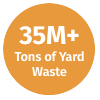
Orange circle with the text 35M+ Tons of Yard Waste

In one year alone, Americans disposed of over 35 million tons of yard waste!

While we commonly call it yard "waste", it's actually incredibly valuable habitat for wildlife and nutrients for plants. Making the shift to use your fallen leaves in your garden rather than throwing it out can be a simple change with lots of benefits.

Orange circle with two question marks inside it

Did you know

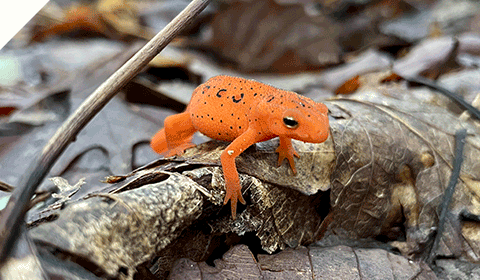
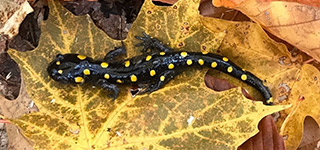
The fallen leaf layer isn't dead, it’s full of life! Wildlife like butterflies, bumble bees, fireflies, and salamanders depend on the leaf layer.

When you throw out your leaves in a yard waste bag, you could be throwing away up to half of your springtime butterflies!

Salamander on fallen leaves

Our National Wildlife Survey found most people are open to Leaving Leaves to Benefit Wildlife.

To raise awareness, we have launched National Wildlife Federation's Leave the Leaves Month. This is a terrific time to keep active in your garden to make it even better for the multitude of wildlife species that need fallen leaves and other organic yard debris as habitat.

How You Can Participate

sunflower gold circle with number 1

Take the Leave the Leaves Pledge.

It's the easiest pledge you’ll ever take! Commit to doing less fall yard work for the sake of wildlife.

Add your name to the pledge and help us reach over 10,000 signatures! Together we can make a huge impact for wildlife in our own gardens.

sunflower gold circle with number 2

Get your garden certified!

Retaining your fall leaves and using other fall garden practices provides food, cover, and places for wildlife to raise young. Practicing wildlife-friendly gardening methods like leaving your leaves can qualify you to get your garden recognized as a Certified Wildlife Habitat®!

Use code FALL10 for 10% off your certification fee and a sign purchase this October.
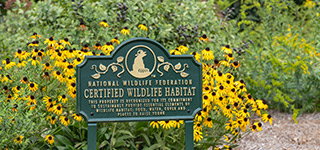
Certified Wildlife Habitat lawn plaque sign with goldenrod around it

FAQs


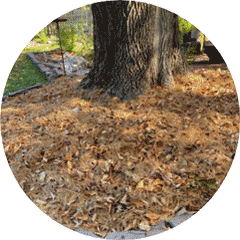
If you have sidewalks, driveways, or turfgrass lawn, be sure to rake the leaves from these areas and use them elsewhere in your garden. A light scattering of leaves on grass is fine, but allowing a thick layer of leaves to blanket the turfgrass will smother lawn. Keeping leaves on sidewalks and driveways can present hazards while also making your gardening choice look messy rather than intentional.

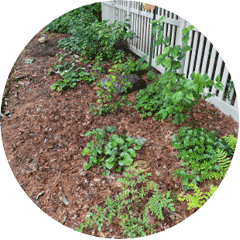
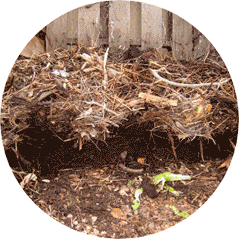
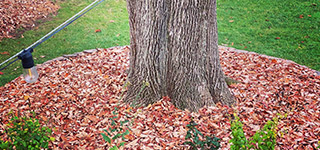
For this reason, we recommend raking leaves and using them as a natural mulch in your garden beds, aiming for a leaf layer that is 3-5 inches thick. This will serve as wildlife habitat and weed suppressant, while also composting down into nutrients for your plants! If you have more leaves than you know what to do with, simply start a composting pile of leaves. Over time, it will turn into a rich fertilizer.

Learn more here.

Avoiding the yard waste bags doesn't mean your garden has to look messy. We recommend raking your leaves off sidewalks, driveways, and turfgrass lawn. Use them in garden beds as natural mulch or add them to a compost pile. This will help to maintain a tidy look which signals to neighbors that your garden is well cared for and intentionally maintained.

Learn more here.

Ideally, fallen leaves should be left on the ground as they provide important habitat for thousands of species and act as natural mulch. However, in fire-prone areas, this can contribute to fuel load and fire risk adjacent to your home. Instead, rake the leaves away from structures and only use them as mulch in spaces 30-100 feet away from your home. Additionally, you can use them 5-30 feet from your home if you water them regularly enough to keep them damp.

Learn about wildlife gardening in fire prone areas here.

Animals from tiny insects like fireflies to mammals like bats use the fallen leaf layer in various ways. Even some animals that don't use the fallen leaves directly still benefit from you leaving habitat in place. For example, many birds eat insects that depend on the leaf layer.

Read up on some of the species that depend on the leaf layer: