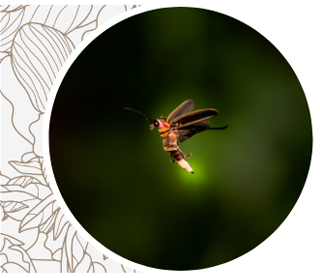
CREDIT: ALI MAJDFAR/GETTY IMAGES
It's estimated that one in three firefly species may be at risk of extinction, but you can help them in your garden!
Learn about how you can provide fireflies with the habitat essentials they need to survive and thrive. By providing these in your outdoor space, you may even be eligible to get recognized as a Certified Wildlife Habitat®!
Food | Water | Cover | Places to Raise Young | Sustainability

Food for Fireflies
There are over 170 species of fireflies across North America, and fireflies' diet and behaviors vary a lot from species to species. Some adult fireflies eat nectar and pollen from flowers, while others are carnivorous. Some fireflies even eat other fireflies!
To support the varied diets of these insects, we recommend planting native flowers that bloom throughout the summer, providing nectar and pollen for fireflies. These same native plants will also support local insect populations, which will then become food for some of the carnivorous firefly species!
Leaving a natural fallen leaf layer in garden beds can not only provide fireflies with cover and a place to raise their young, but it also supports many animals that some fireflies eat like snails, slugs, and various insect larvae.
Learn more about these topics here:

Water for Fireflies
Fireflies thrive in areas where the ground remains moist, like damp forest floors, wet meadows and especially areas near standing bodies of water. In fact, some of the larval forms even have gills!
If areas of your yard naturally retain water or stay damp, you're probably already providing firefly habitat. If you don't have moist areas, consider creating a forest floor environment by adding thick layers of fallen leaves to your garden beds, which hold on to moisture needed by fireflies. You might also create a rain garden to absorb and retain rainwater as it percolates into the soil rather than sending it down the storm drains. Add wetland plants and your rain garden will become a great firefly habitat. A small pond or water garden in the landscape can help create a damper environment for fireflies and their larval forms too.
If you have concerns about mosquitoes, you can simply add a mosquito dunk to the water source, which does not harm the fireflies or other beneficial wildlife that visit!
Learn more about these topics here:

Cover for Fireflies
With over 170 species of fireflies across North America, their behavior and preferences for cover sources can vary a lot across species. Many fireflies need landing spots in plants to perform their blinking to attract a mate. Some species stay in plants close to the ground, while others fly up to the trees. Meanwhile, many firefly larvae and even some adult fireflies take refuge in the leaf layer or even water sources on the ground!
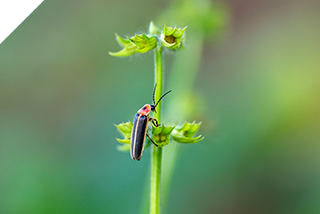
CREDIT: TESS RENUSCH
One of the best ways you can provide cover for fireflies is to ensure you have multiple layers of cover, working from the ground up to the treetops. See an example of what can go in these layers below. You can select just one or a few options from each layer.
- Bottom Layer: Fallen leaf layer, ground cover native plants such as ferns and wildflowers, and a water source like a pond.
- Middle layer: Native flowering plants, tall native grasses, and native shrubs.
- Upper Layer: Native trees and snags.
Learn more about these topics here:

Places for Fireflies to Raise Their Young
Have you ever seen a baby firefly? Like many insects, fireflies begin their life looking a bit different from their adult forms. These fireflies have a larval stage in which they're known as "glowworms." In this stage, many species of fireflies spend their days in the damp layer of leaves and logs on the ground.
If all the leaves are raked and sent away in yard waste bags, the glowworms lose their habitat or are even carted away as part of the yard waste! Without a good leaf layer, many fireflies will never even make it to adulthood. Since this larval stage can last up to a few years for some firefly species, keeping the leaves in your yard and out of the landfill is critical to seeing more fireflies in the years to come!
Instead of carting away your fallen leaves, use them as a natural mulch by raking them into garden beds where they can provide habitat for the glowworms. (Using them in garden beds vs. just leaving them where they fall also keeps your yard looking neighbor and HOA-friendly.)
Plus, firefly larvae are commonly found near ponds and streams where the earth is damp. Add in a water source like a pond to attract more fireflies!
Learn more about these topics here:

Sustainable Practices to Benefit Fireflies
Unfortunately, most of our standard lawn and garden design and maintenance practices are bad for fireflies. Fireflies can't survive in a closely cropped turf grass lawn. Pesticides will kill fireflies in both their larval and adult life phases. Bagging or burning fallen leaves destroys firefly habitat and kills fireflies hiding in the leaves. Outdoor lighting disorients fireflies and can disrupt mating behavior.
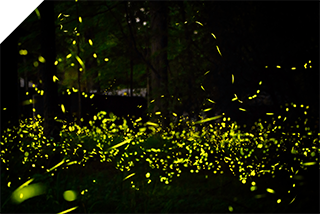
CREDIT: HAOXIANG YANG/GETTY IMAGES
Replacing lawn with garden beds filled with native plants provides fireflies with safe habitat to hunt and hide. Plus, the deeper roots of many native plant species can help better maintain soil moisture, which many firefly larvae need. Recycling fallen leaves as mulch in those beds also provides moist firefly habitat.
Even if fireflies have everything they need to survive in your garden, it will all be for naught if they become the victims of lawn pesticides. Avoiding pesticides and relying on organic gardening techniques will remove the danger these toxic chemicals pose to fireflies (and many other wildlife species). Fireflies rely on the dark for their flashing to be effective at finding mates. Light pollution from our outdoor and landscape lighting can disorient fireflies and make it difficult for them to find mates and reproduce. Turn your outdoor lights off before bed. You can put them on a timer or a motion detector to limit their impact. Light pollution affects many other wildlife species from songbirds to moths to sea turtles.


