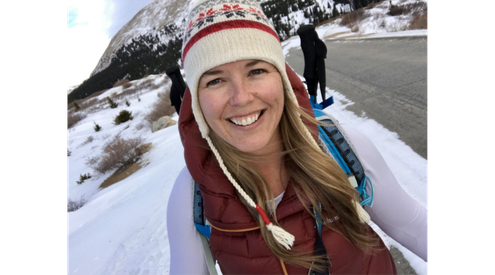
Alicia Marrs to Serve as NWF’s Associate Vice President of Western Water
- Mike Saccone
- May 08, 2026
WASHINGTON, D.C.— Collaborative conservation leader and water expert Alicia Marrs will serve as the National Wildlife Federation’s associate vice president of Western water. In this role, Marrs will lead NWF’s efforts to ensure clean, reliable water resources and advance watershed conservation and restoration across the West in this critical moment for water, wildlife, and the communities that depend on them.
“Restoring America’s waterways and restoring habitat are good for wildlife and good for people and these efforts bring communities and policymakers together across ideologies, geographies, and generations,” said Jen Mihills, vice president of water and coastal programs at the National Wildlife Federation.
“While we face challenges in protecting the health of our freshwater ecosystems across the West, there is growing momentum to seize the opportunities these efforts offer to reduce the impacts of drought, wildfires and floods while revitalizing local economies and communities,” Marrs said. “I look forward to working with my colleagues and NWF’s state and territorial affiliates to advance nonpartisan solutions that match the scale of the problems facing wildlife and people alike.”
Marrs joined NWF in 2023 as director of Western water and has led the expansion of the program by harnessing the strength of on-the-ground watershed restoration and the collaborative power of partner-driven coalitions to inform durable policy engagement. Marrs has grounded this expansion through collaborative partnerships with NWF’s western affiliates while seeking ways to build their capacity to engage on western water issues and amplify their local connections and influence.
She brings more than 15 years of experience working within various federal agencies, such as the U.S. Environmental Protection Agency, National Oceanic and Atmospheric Administration, and U.S. Fish and Wildlife Service. Her leadership had been defined by creative and collaborative partnerships in support of water conservation, climate and drought resilience, and fish habitat conservation. She has a MA in Global Environmental Policy from American University in Washington, D.C., and a BA in Environmental Policy & Planning from Western Washington University.


