U.S. Mayors Lead in Monarch Conservation Despite Environmental Rollbacks
- Samantha Miller
- Sep 30, 2026
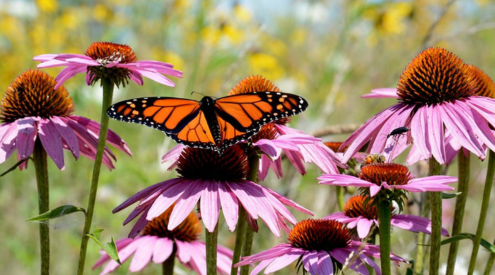
Through the Mayors’ Monarch Pledge, local governments bring together millions to create and sustain necessary habitat for the monarch butterfly.
WASHINGTON, D.C. — More than 360 mayors and heads of local government have committed to creating quality monarch butterfly migratory and breeding areas. This new habitat will help increase support for the declining monarch butterfly population.
“Even as federal protections weaken, local governments are stepping up when it counts and delivering lifelines to monarch populations,” said Patrick Fitzgerald, senior director of community habitat. “These local governments are giving monarchs a fighting chance to save their energy and find quality native habitat during their migration journey.”
Millions of eastern monarchs began their fall migration in mid-August, where they fly over 3,000 miles from across North America to Mexico. During their journey, monarchs need easy access to nectar from native plants to refuel, native host plants to reproduce and shelter for rest and protection. Since 2015, Mayors’ Monarch Pledge signatories have created or restored more than 12 thousand acres of habitat for monarchs and pollinators, engaging more than 16 million people, including 1.9 million youth. For additional data, annual impact reports can be found here.
National Wildlife Federation’s Newest Monarch Champions:
The National Wildlife Federation has awarded these eight U.S. cities as 2025 “Monarch Champions,” the highest designation local governments can earn by completing a majority of the action items in the Mayors’ Monarch Pledge framework.
- San Marcos, TX
- Minnetonka, MN
- Carnegie, PA
- San Antonio, TX
- Rochester, MI
- Glen Ellyn, IL
- Hastings-On-Hudson, NY
- Chamblee, GA
These champions collectively reached over 47,000 individuals, with 12 thousand youth. These cities created 40 acres of monarch habitat across their communities. This is the largest number of Monarch Champions awarded, and a 60 percent increase in Monarch Champions from the year before.
Top 5 States with the Most Pledges to Protect Monarchs:
- Illinois 61
- Texas 38
- New York 27
- New Jersey 23
- California 20


