NWF News: Georgia Students Find a Mystery Plant
Carver Elementary kids learn by asking questions; plus, Clean Economy Coalition of Color mobilizes, and Minnesota Wildlife Federation grows
- By Delaney McPherson
- NWF News
- Jun 24, 2026
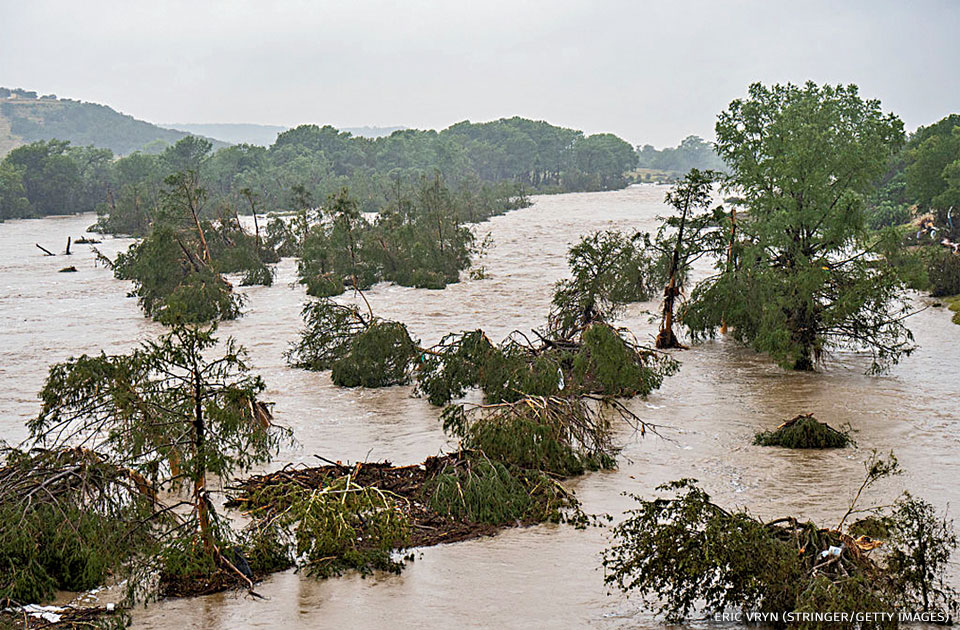
Collaborating on a Cleaner Economy
When the National Wildlife Federation’s Clean Economy Coalition of Color (CECC) released the webinar “Defending Environmental Justice in a Time of Deregulation and Rollbacks” in March 2025, two months into a new Trump administration, the timing was intentional.
“We realized that the environmental justice landscape on a federal level was changing rapidly,” says Megnot Mulugeta, the environmental justice communications coordinator at NWF. “We needed to respond to the political context we were operating in.”
Initially formed in 2021 to highlight new clean energy policies and programs, CECC took a pause in 2023. But in response to environmental rollbacks at the start of the second Trump administration, the group returned with a series of webinars to address emerging challenges.
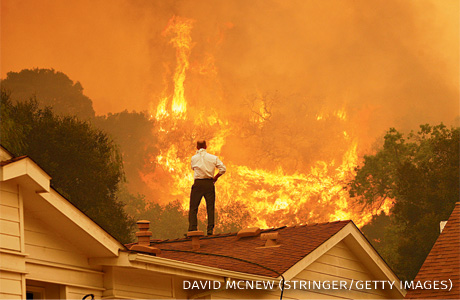
Since the March 2025 webinar, CECC has hosted five more on topics ranging from the impacts of data centers to the increased frequency of natural disasters (pictured) to an October panel of members of NWF’s Environmental Justice Advisory Council.
“You have to listen to the community,” says John Red Cloud, a panelist in October’s webinar and director of operations at the solar company Red Cloud Renewable. “And know that there are so many people gathered that mean well, and we’re still learning together.”
Despite facing new barriers, those working in environmental justice know how to overcome obstacles.
“We come from communities where, if we had not fought, advocated and litigated, there would be no protections,” says Monica Lewis-Patrick, another panelist and president and CEO of the grassroots nonprofit We the People of Detroit. “We’ve learned we have to build as we climb, and creatively look for ways to leverage and intersect our work with the work of others.”
Planting Stewardship Seeds
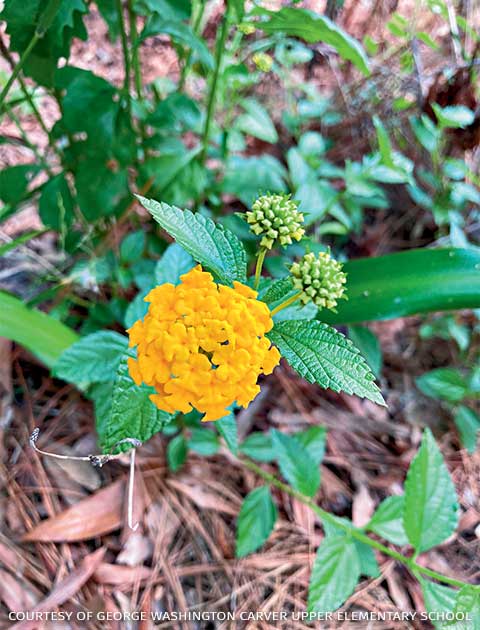
While on a nature walk on school property in May 2025, a group of fourth and fifth graders from George Washington Carver Upper Elementary School in Richmond Hill, Georgia, snapped a photo of a plant with yellow flowers (above) and uploaded it to the iNaturalist app. Within a few days, users began submitting possible identifications.
From there, experts chimed in to help determine what the plant was. Some say it’s Florida lantana, a variation of Pineland lantana that is state-endangered and endemic to Florida, while others disagree. Regardless of the ultimate identification, educators say the real value is in the kids witnessing the scientific process firsthand.
Carver students began taking weekly outdoor education classes in fall 2024, with a curriculum based on NWF’s Eco-Schools U.S. program. For the 2025–26 school year, outdoor education teacher Kari Wilcher created an Eco-Schools project she calls Seeds of Stewardship, encouraging curiosity in nature (pictured).
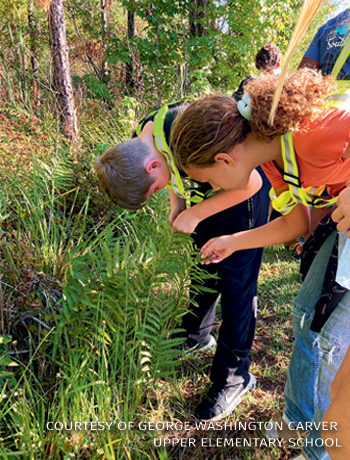
“We give these opportunities for kids to create their own stewardship projects and connect to nature in a way that is accessible and meaningful for them,” says Wilcher. “The kids are learning how to notice, wonder and ask questions.”
Beyond cataloging local flora on iNaturalist, student-led projects have included creating a wetland habitat, starting a seed library and building a pollinator garden. The kids even came up with a new project motto: “We notice, we care.” For example, they noted that people were leaving trash in the school’s wetland ecosystem, so they created signs explaining the ecosystem and discouraging littering. All of the projects contribute to Carver’s annual Eco-Schools Green Flag award—the highest level of Eco-Schools certification.
Carter’s fifth-grade science scores have improved by 18 percent since the school implemented the outdoor classes as part of its curriculum. More importantly, Wilcher says, she has seen how time spent outside has given kids a sense of pride and responsibility for their environment.
“I think it’s really remarkable for these kids to play outside and then become so connected to their place at our school,” Wilcher says.
Donor Spotlight: Alida Bockino of Moscow, Idaho
WHY I GIVE “When I think about the future, I think about preserving healthy habitats, thriving species and the simple wonder of experiencing wildlife in their wild spaces.”
Interested in learning more about the impact you can have on wildlife? Please visit nwf.org/donate.
Hunting, Foraging and Angling for Conservationists
As the Minnesota Wildlife Federation (MWF) sees it, the “land of 10,000 lakes” presents 10,000 opportunities to spark Minnesotans’ interest in conservation.
“Every time we get people together, it’s a good opportunity not only to have fun and go on a hunt or an outdoor adventure, but it’s a good time to broaden everyone’s understanding of what conservation is on the landscape and how they can engage with it,” says Brad Gausman, executive director of MWF.
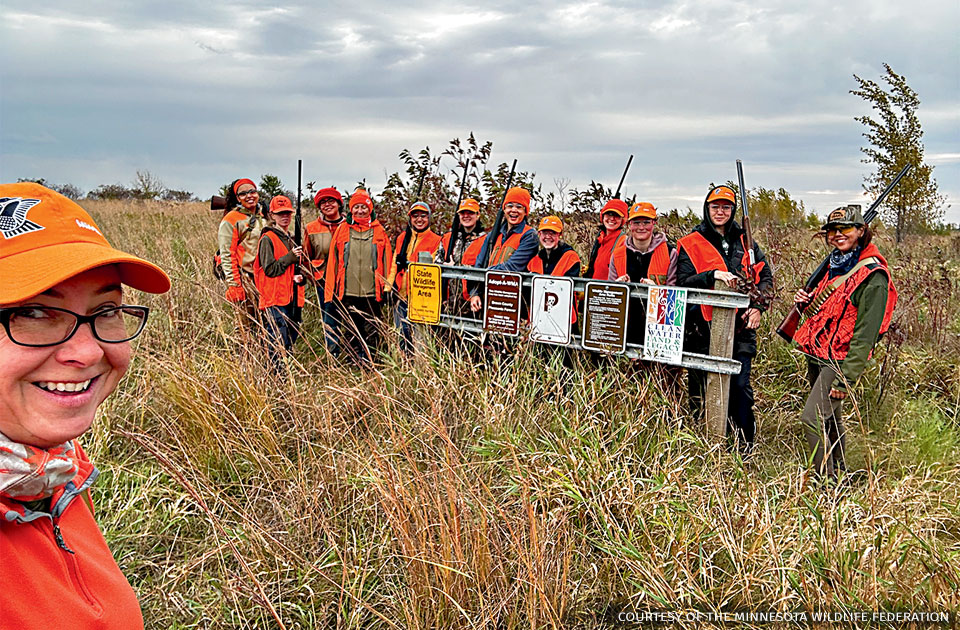
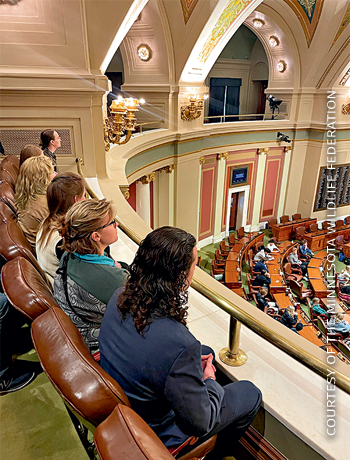
One entry point is the group’s Women in Conservation Leadership program. In 2025, the first cohort of 10 covered subjects ranging from how sustainable agriculture benefits people and wildlife to shooting and hunting skills, then put the latter into practice on a weekend-long pheasant hunt (above). An NWF affiliate, MWF also runs a similar program for college students, Conservation Leadership Academy, which introduces students to conservation professionals, teaches them about advocacy (at the state capitol, below) and connects them with outdoor recreation opportunities.
MWF also works at the state level to protect local species and habitats. In 2024, the federation was instrumental in passing new legislation that delineated native rough fish species from nonnative and invasive ones—a reclassification that has made it easier to pass additional laws protecting native fish. And staff have partnered with the Minnesota Department of Natural Resources to monitor the spread of chronic wasting disease among the state’s wild deer populations.
While hunters and anglers make up a good portion of MWF’s supporter base, Gausman hopes to expand the group’s outreach into the state’s burgeoning forager community. In 2025, MWF helped lead the creation of Minnesota’s Sustainable Foraging Task Force, which gathers data on the ecological impacts of foraging seeds, berries, mushrooms and more, and develops guideline recommendations for policy and the public.
“I see us as an organization where outdoor recreationists who see the value of natural resources conservation can join together to get some good work done,” says Gausman.
Bulletin: Great American Campout
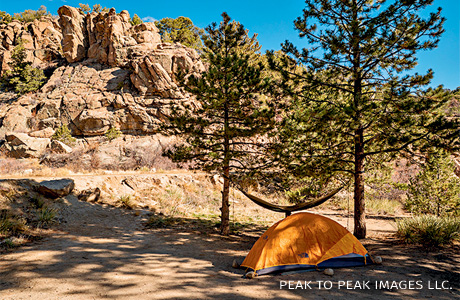
This summer, NWF’s Great American Campout and Johnson Outdoors are partnering up to encourage you to get outside. Learn more about the campout and how to take the Clean Earth Challenge.
More from National Wildlife magazine and the National Wildlife Federation:
Our Work: Environmental Justice »
Growing Outdoors »
Catch Up on Previous NWF News »


