Advancing Environmental Protection for Nearly a Century
The National Wildlife Federation has spent 90 years uniting all Americans to ensure wildlife and people thrive in a rapidly changing world. To envision the future that we want for ourselves and future generations, we must first look to the past.
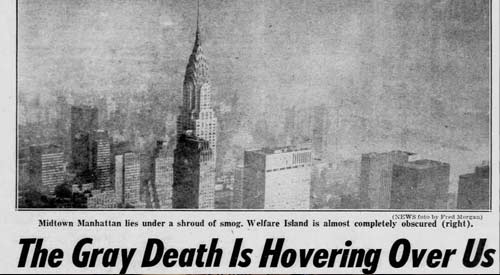
Life 90 years ago looked much different. There were very few environmental rules. Industries polluted the air and water with little to no consequence. Cities were choked with smog and wildlife suffered from widespread use of pesticides. Change did not happen by accident. Persistent advocacy led to bans on harmful chemicals, passage of the Clean Water Act, the Clean Air Act, the Endangered Species Act, and the creation of the Environmental Protection Agency (EPA) – whose mission is to protect human health and the environment by ensuring Americans have clean air, land, and water.
Thanks to these and other conservation laws – laws the Federation and its affiliates helped secure – we can breathe easier and enjoy our public lands. However, today, these protections are under threat for the benefit of corporations, returning us to an era of pollution and crisis and exacerbating environmental disparities – while climate change accelerates.
Our Future | 2025 Actions | 2026 Actions | Blogs | Take Action
Our Future At Risk
As the Trump administration took office in 2025, the year was marked by the biggest deregulatory action in American history. This includes weakening regulations for industries that emit pollution as well as the intended expansion of fossil-fuel based energy and attacks on affordable clean energy options. But the coordinated efforts go beyond that.
By firing scientists and experts, eliminating pollution and emissions limits, removing public-facing resources, and more, the administration has demonstrated a sustained effort to distort evidence and allow industries to pollute more in service of narrow political and industrial special interests rather than the well-being of people and wildlife.
These deregulatory actions will especially impact communities that are disproportionately burdened by the environmental hazards and climate impacts of dirty energy. Research has shown that Black, Brown, and communities of color as well as low-income residents, are more likely to be exposed to air pollution and are more severely impacted by extreme weather, due to redlining and other structural forms of discrimination. Reversing regulations perpetuates racial and economic disparities, all while worsening climate change.
These actions have tangible, long-term consequences. The systematic rollback of rules is increasing pollution and associated health risks, degrading wildlife habitat, and passing the financial burden to Americans.
This timeline will walk you through many of the deregulatory actions the administration has taken since the beginning of 2025. It focuses on rules related to pollution control or climate action and is no way exhaustive of all of the rollbacks, federal layoffs, and agency changes that will negatively impact our communities, our wildlife, and our public lands. Learn more about Conservation in Crisis.
JANUARY 20, 2025
Day One Executive Orders
Donald Trump takes office for a second term and immediately signs the Unleashing American Energy Executive Order, which undos a dozen prior presidential actions that prioritize improving public health, access to clean energy, tackling the climate crisis, environmental justice, and more. Under this executive order, federal agencies are directed to rescind regulations on energy production and eliminate considerations of the “social cost of carbon” – a monetary estimate of the economic damages that result from carbon dioxide emissions such as healthcare costs, property damage from extreme weather, agricultural loss, and more.
JANUARY 28, 2025
Firing of EPA's Science Advisory Panel Members
The EPA dismisses multiple members from its Clean Air Scientific Advisory Committee and Science Advisory Board, limiting the evidence-based guidance that helped ensure the EPA’s policies are grounded in science. This action is designed to weaken the scientific foundations behind climate policies and accelerate industry deregulation.
JANUARY 30, 2025
Lee Zeldin is Sworn in as EPA Administrator
His approach to national environmental and climate issues was much more conservative. As a congressman, Zeldin did not champion any policies that aimed to reduce environmental health disparities or protect vulnerable communities from the effects of climate change. But unlike many of his fellow party members, Zeldin at least acknowledges climate change. However, he criticizes regulatory approaches to address it. Notably, Lee Zeldin supported the U.S. withdrawal from the Paris Climate Agreement, calling it a burden on American industries.
MARCH 12, 2025
EPA Announces Biggest Deregulatory Agenda in U.S. History
EPA Administrator Zeldin announces 31 planned actions to reconsider and repeal foundational environmental protections under the Clean Air Act. When combined with the firing of scientific experts, this planned rollback of pollution standards signals an unprecedented retreat from science-based safeguards that have protected the environment and public health for decades. Repealing these regulations would weaken limits on hazardous pollution from industry, increase health risks for communities, and undermine wildlife protections.
Additionally, the EPA announced it will terminate the Biden-Harris Administration’s Environmental Justice and Diversity, Equity, and Inclusion arms of the agency. Eliminating these initiatives that provided vital funding for community-focused projects only harms people and continues to perpetuate the disinvestment that environmental justice communities have been burdened with for decades.
Zeldin dismissed the programs as "wasteful DEI and environmental justice initiatives", but in High Point, North Carolina, one nonprofit was planning to use their EPA grant to help the community. Southwest Renewal Foundation of High Point intended to use its grant to improve water quality, plant trees, and replace lead pipes in schools - projects that would have direct public health and community benefits. Those efforts were abruptly put on hold in May when the EPA cancelled their grant.
APRIL 29, 2025
National Climate Assessment Authors Fired
The Trump administration dismisses hundreds of scientists working on the Sixth National Climate Assessment, halting the congressionally mandated report on U.S. climate impacts. Released regularly since 2000, the National Climate Assessment is a vital document used by state and local governments, industry, educators, advocates, and more to learn about and plan for climate impacts like floods, wildfires, and heatwaves. Additionally, some federal websites removed past assessments, raising significant alarms about scientific integrity, and public access and preparedness.
JUNE 3, 2025
Federal Heat Experts Fired
The administration lays off the entire climate office staff at the Centers for Disease Control and Prevention as well as heat experts at other agencies like the National Institute for Occupational Safety and Health (NIOSH) just as summer begins. Other federal heat specialists resign after being instructed not to talk to the public about the health risks of heat.
These are the people who help us research, mitigate, and prepare for extreme heat – the nation's top weather-related killer. This may impact the finalization of a 2024 proposed rule establishing national heat protections for workers through Occupational Safety and Health Administration (OSHA), the regulator that relies on NIOSH's experts.
With a typical work day under the blazing sun and little to no shade, outdoor workers – such as construction workers, agricultural workers, and fisherfolk – face some of the highest health risks during heat waves.
Lupe Gonzalo, a senior staff member with the non-profit Coalition of Immokalee Workers (CIW), works with farmworkers to address safety issues including working in extreme heat. "A lot of places in the field, you don't have access to shade, to clean and fresh drinking water. It's getting hotter and hotter as climate change continues, and it will continue to be an issue for workers," said Gonzalo.

THOMSON REUTERS FOUNDATION
In response, Gonzalo and CIW members set up the Fair Food Program that works with large companies to ensure farmworkers' rights to safe and fair standards are met. Among other provisions, the heat-related measures include guaranteed protections around shade, water with electrolytes, bathrooms, pesticide exposure, excessive heat, and other health and safety issues.
With heat experts being purged from their federal service, programs like this are a vital bridge to ensure the most vulnerable are safeguarded from rising temperatures.
JUNE 11, 2025
Proposal to Repeal the Greenhouse Gas Emissions Standards
The administration began implementing its plan to repeal pollution regulations, starting with Greenhouse Gas Emissions standards for power plants. The previous rule requires existing and new coal-fired power plants and new natural gas power plants to reduce their carbon emissions by 90% through a variety of techniques. Rolling back these standards not only allows for power plants to release more polluting and planet-altering emissions, it also delays the retirement of aging coal plants, which is our most expensive, inefficient, and life-threatening form of energy.

"We have mountains of evidence that show that carbon dioxide, methane, and other emissions from power plants are accelerating the climate crisis and directly harming the health of wildlife and people," said Shannon Heyck-Williams, associate vice president for climate and energy at the National Wildlife Federation. Weakening or eliminating emission standards risks increasing harmful pollutants that contribute to smog with direct consequences of human and wildlife communities alike.
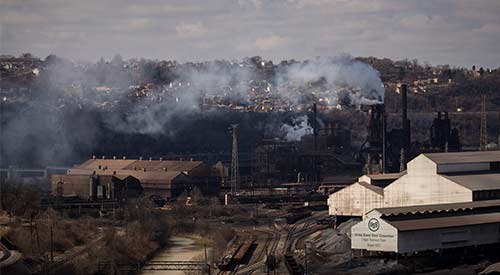
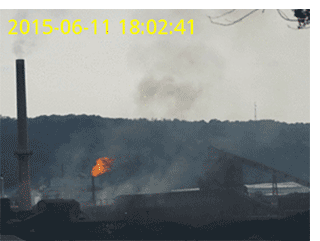 "It was a very short period after moving there that I started smelling the odor. It reminded me of when I was a kid and we would get coal delivered," said Barbara Pace, a Pittsburgh area resident who lives adjacent to the since-closed Shenango Coke Works coal processing plant. While it was operating, the plant expelled illegal, non-permitted emissions that polluted the air and contributed to severe health issues in the community.
Residents in Allegheny County, Pennsylvania rank in the top 1 percent nationally for cancer risk from air pollution. When communities in Pittsburgh's North Boroughs organized through citizen science and advocacy – installing cameras aimed at the plant – they were able to present compelling evidence to the regional EPA office, prompting enforcement action. The company faced a choice: invest in pollution-catching technology or shut down. Shenango Coke Works closed in 2016 and the public health impact was immediate: sulfur pollution fell 90 percent and emergency room visits dropped 42 percent. This underscores how quickly communities can benefit when air pollution is reduced.
JUNE 17, 2025
Proposal to Repeal the Mercury and Air Toxics Standards (MATS)
Mercury is a toxic air pollutant released by coal-burning power plants that has detrimental impacts on public health and wildlife. Exposure to even small amounts of mercury can affect childhood and prenatal health and may impact nervous, digestive and immune systems. The administration proposes repealing amendments to the MATS rule made in 2024, which strengthened limits on mercury and dangerous air pollutants including mercury, arsenic, lead and other toxic metals, as well as acid gases. This rollback will expose more people – including vulnerable babies and the elderly – to toxins, while contaminating wildlife, ecosystems, and food chains.
Mercury's neurotoxic effects can impact brain development and also cause lung disease. Simple pollution controls like scrubbers go a long way in saving lives. For example, the Keystone coal-fired power plant in Pennsylvania was one of the deadliest power plants before installing scrubbers, with over 600 attributable deaths per year in 2008. After installation in 2010, that number dropped to 80 per year.
JULY 29, 2025
Department of Energy Issues Report Challenging Scientific Consensus on the Impacts of Greenhouse Gases
The Department of Energy (DOE) convenes an unlawful Climate Working Group to produce a report challenging the scientific consensus on the dangers of greenhouse gas emissions. The report attempts to undermine decades of peer-reviewed research that proves greenhouse gases directly fuel worsening climate-related threats including extreme weather, air pollution, habitat loss and heat-related illness and death. DOE’s intent is to use this report to justify repealing the Endangerment Finding, a landmark scientific conclusion that obligates the EPA’s to regulate greenhouse gases, further opening the door to more deregulation under the Clean Air Act.
"The link between greenhouse gases and harm to people and wildlife is clear — and has been affirmed by report after report and assessment after assessment for decades," said Diane Pataki, chief scientist for the National Wildlife Federation. "Downplaying the underlying cause of the climate crisis will not solve it. The Department of Energy hand-picked five scientists to attempt to overrule the consensus of thousands. They have provided no sensible justification for weakening protections against greenhouse gas pollution and refusing to carry out the government’s duty to protect the health of people and wildlife."
Thanks to the actions of environmental organizations and law institutions, the DOE dismantled the unlawful working group in September 2025.
JULY 29, 2025
Proposal to Repeal the Endangerment Finding
In 2009, the EPA found that greenhouse gases threaten the public health and welfare of current and future generations. This determination, called the Endangerment Finding, obligates the agency to regulate climate pollution from motor vehicles, making cars cleaner and more efficient, as well as authorizing the agency to regulate climate pollution from power plants and industrial sites. The EPA has long relied on scientific evidence that clearly states that greenhouse gases directly harm public health and the environment by fueling a range of climate change-associated impacts such as increasing formation of asthma-inducing ozone pollution, disease outbreaks, heat-related morbidity and mortality, extreme weather events, and more.
The proposal to repeal this finding ignores decades of reaffirmed science and the EPA’s own responsibilities to protect the American people, wildlife, and environment from pollution. Repealing the Endangerment Finding would strip the EPA’s justification for regulating greenhouse gas emissions, putting health at risk and making it much, much harder for future administrations to tackle climate change. Though the Endangerment Finding most directly targets vehicle emissions, that is just the first domino. It sets a precedent to repeal emission standards for power plants and other stationary polluting sources.
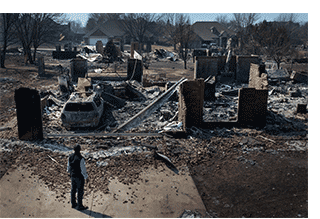 The EPA has cited that the damaging effects of greenhouse gas pollution include the increasingly frequent and severe weather events. Stillwater, Oklahoma, the birthplace of Red Dirt music, knows this first-hand. It was one of the hardest hit communities in the devastating wildfires that spread throughout the state in March 2025. Fire Chief Terry Essary described the situation as an "insurmountable task," explaining that "Nobody has enough resources to fight fires when the wind is blowing 70 mph." A prolonged drought enabled conditions for fire to spread when combined with the high winds. By mid-March, 130 simultaneous wildfires burned through over 170,000 acres, killing four people and injuring 142, and destroying more than 500 homes and businesses.
SEPTEMBER 12, 2025
Proposal to Repeal the Greenhouse Gas Reporting Program (GHGRP)
The Greenhouse Gas Reporting Program (GHGRP) was established in 2009 and helps track the amount and type of greenhouse gas emissions from thousands of industrial facilities across the country. This program, administered by the EPA, is a crucial part of how the U.S. monitors and reduces the dangerous pollution that is contributing to climate change and its harmful environmental and health impacts.
GHGRP data helps the U.S. in both the public and private sectors make smart, science-based decisions about where and how to reduce greenhouse gases. The EPA has relied on the data to develop emissions standards for oil and natural gas facilities. Furthermore, states and localities rely on data from the program to inform their own emissions inventory programs and mitigation policies. These data can also equip everyday people with information relevant to their communities’ health and environment, supporting local civic engagement efforts and more informed decision-making. Companies use the program to report and verify emissions for global trade, intergovernmental relations, accessing certain tax credits, and voluntary emissions reduction goals.
Eliminating mandatory reporting obscures the true scale and sources of climate pollution, complicates the enforcement of other Clean Air Act requirements, and creates uncertainty for businesses that rely on accurate emissions data. Terminating the program would reverberate across energy markets and state programs. As Business Roundtable cited in their comments to the proposal, the changes would introduce regulatory uncertainty, undermine competitiveness in foreign markets, and upend an existing process for international trade compliance.
JANUARY 7, 2026
U.S. Withdraws from United Nations Framework Convention Climate Change
The President announces the intention to withdraw the U.S. from the United Nations Framework Convention on Climate Change (UNFCCC), the Intergovernmental Panel on Climate Change (IPCC), and dozens of other global institutions. U.S. withdrawal from the UNFCCC and the IPCC will result in incomplete global emissions inventories and further constrained resources for international scientific collaboration. Over the next few years, the U.S.'s departure from these bodies may create ripple effects across other international conventions and treaties, affecting carbon markets and climate diplomacy.
JANUARY 16, 2026
EPA Stops Considering Lives Saved When Regulating Pollution
The EPA announces that they will no longer consider lives saved and healthcare costs when regulating pollution. Instead, the EPA will prioritize business costs for complying with these rules. This change obscures evidence that reducing pollutants saves lives and lowers healthcare costs and contradicts the agency’s core mission of protecting human health. Given that communities of color are at greater risk of pollution-related deaths and chronic illness, this decision also continues to hide the well-researched reality of dirty energy’s unequal impacts.
According to the EPA, reducing pollution has prevented hundreds of thousands of early deaths and the benefits far exceed the costs.
FEBRUARY 10, 2026
Endangerment Finding Repealed
The EPA officially repeals the Endangerment Finding, eliminating a central scientific and legal basis for regulating climate pollution. In doing so, the agency ignored hundreds of thousands of public comments opposing the repeal and is abandoning its duty to protect human health and the environment. The agency, however, did not cite the DOE’s report that undermined established climate science in this final repeal, confirming that it was neither evidence- nor science-based.
There has been widespread scientific consensus for decades, including from the EPA, documenting how greenhouse gas emissions drive climate change and its worsening effects, including dangerous heat waves, worsening air quality, extreme weather events, and the disruption of ecosystems. The decision will disproportionately affect frontline communities who face the earliest and greatest harms from worsening heat, wildfires, flooding, and pollution-driven illness.
"In my lifetime, I have yet to find an example where making our air, water and landscape dirtier has been beneficial to Americans," said Russell Kuhlman, executive director of the Nevada Wildlife Federation. "Nevadans know the feeling of having poor air quality due to wildfires. Rolling back efforts to provide clean air and prioritizing actions that will lead to increased wildfires is not ensuring we provide the next generation and environment better than we found it."
FEBRUARY 20, 2026
Mercury and Air Toxics Standards Repealed
The EPA, again, ignores over a hundred thousand comments from the public opposing the repeal of this rule. The Mercury and Air Toxic Standards are one of the most important clean air protections we have to protect public health. In 2021, mercury from coalfired plants dropped by 90% due to stricter regulations – resulting in less toxic mercury in our fish and wildlife, and our food chain.
This reduction is imperative for the health of communities. Research shows that between 1999 and 2000, Martin Lake Power Plant, one of the nation’s largest mercury and sulfur dioxide polluters, was responsible for over 4,000 excess deaths. Repealing MATS would reverse lifesaving progress and expose millions of people to hazardous air pollution once again.
In Montana's high plains sits Colstrip Stream Electric Station, the nation's dirtiest power plant. It emits higher-than-average levels of mercury and the highest levels of soot in the country. Unlike other power plants, it has not installed basic pollution control technologies. That heavy metal is released into the air and then bioaccumulates in water, contaminating fish and posing particular risk to the recreational and subsistence fishers on the Northern Cheyenne Reservation.
"When they say, 'a small rollback,' there's a population of actual communities and actual people who are being erased by that rhetoric," said Joe Goffman, who led EPA's Office of Air and Radiation under Biden.
SEPTEMBER 14, 2026
Repeal of the Carbon Pollution Standards
The administration formally repealed parts of the Carbon Pollution Standards for Fossil Fuel-Fired Electric Generating Units. Instead of being accountable to reduce carbon emissions by up to 90%, coal and gas power plants will now be allowed to pollute with little oversight and consequence. This newly finalized rule, plus a companion proposal to completely eliminate the Environmental Protection Agency's ability to safeguard people and wildlife from dangerous power plant greenhouse emissions, is an "abdication" of its mission, flies in the face of scientific facts, and will hasten the climate, wildlife, and environmental justice crises.
"We know carbon dioxide and other emissions from power plants are harming wildlife and people: fueling public health crises, exacerbating extreme heat and weather disasters, and hastening the extinction of species," said Shannon Heyck-Williams, associate vice president for climate and energy at the National Wildlife Federation. "The EPA's decision to barrel forward with this repeal despite widespread opposition is an abdication of its mission and will hurt the United States. Congress or future administrations should reverse this rule as soon as they're able."
This timeline is not exhaustive of all of the administration's deregulatory and unlawful actions. It will be updated as further actions are taken. For a more complete list, please see the Brookings tracker, Harvard Environmental and Energy Law's Regulatory Tracker, or the Trump Tracker.

You Deserve A Prosperous Future – Take Action
You don’t just deserve a livable future, you deserve a prosperous one filled with clean water, clean air, and access to the things you love. Whether you care about recreating on public land, outdoor sports, snorkeling on coral reefs, snowy winters for skiing, or even drinking coffee, there’s a seat for you at the table.
Envision the future you deserve.
Clean, affordable energy powers every home and business. Tree-lined streets, fresh air, and clean drinking water support vibrant neighborhoods filled with green spaces. Wildlife flourish as ecosystems are restored. Communities are safe, walkable, and resilient to severe weather. In this world, sustainability isn’t a politically charged buzz word, it is a way of life that creates a safe environment without sacrificing economic progress or innovation.
This is not a far-off dream. We already have the solutions, what we need is political will and civic support. Here are just a few ways you can get involved:

MAKE YOUR VOICE COUNT
The National Wildlife Federation relies on the voices of communities everywhere calling, emailing, writing letters and speaking out with us to protect wildlife, people, and tackle climate change. Learn why a healthy and functioning representative democracy is foundational to our work, and how you can support it.

TAKE ACTION
Send your member of Congress a message telling them to pass laws that strengthen – not undermine or diminish – the Clean Air Act.

GARDEN FOR WILDLIFE
Change starts at a local level. Consider installing a garden that supports biodiversity and endangered species, or get involved in a community garden.


