Staying the course for a future where salmon and clean energy co-exist
For more than three decades, the National Wildlife Federation has led a coalition of conservation, fishing and energy advocates to protect the imperiled salmon runs in the Columbia Basin.

CREDIT: NATALIE FOBES
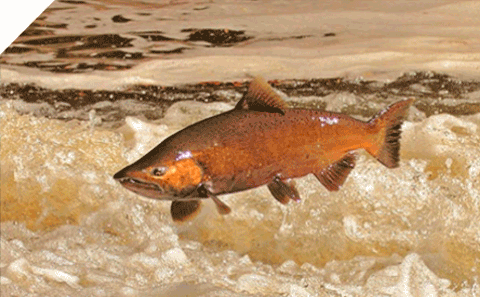
The salmon and steelhead runs of the Columbia River were once among the world’s most abundant. Since the final construction of the four lower Snake River dams in the 1970s, salmon and steelhead have become increasingly imperiled.
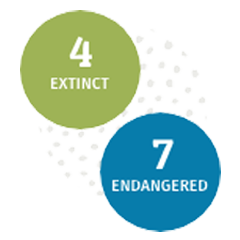
Of the 16 stocks that historically return to spawn above the Bonneville Dam, four are extinct, and seven more are listed under the Endangered Species Act as endangered or threatened, including all that return to the Snake River.

In a 2022 report, NOAA provided a frank assessment of the status of Snake River salmon and steelhead stocks: No recovery efforts have or will succeed while the lower Snake River dams are in place. These dams continue to be the largest contributor of human-caused fish mortality—and we need bold, science-based action.
Salmon are central to the Northwest way of life and we must act urgently to protect this national treasure. This requires a comprehensive solution that replaces the services of the four Snake River dams—for energy, irrigation, and transportation—and restores a free-flowing Snake River.
CREDIT: NATALIE FOBES
A turning point for salmon—then back to breaking promises

In December 2023 and after three decades of litigation to protect Columbia Basin salmon and steelhead runs, we reached a critical turning point. The Columbia Basin Restoration Initiative, developed by the four Lower Columbia River Treaty Tribes and the states of Oregon and Washington, was a historic agreement—a blueprint— that provided a framework to recover salmon runs and to strengthen the Northwest. With considerable federal funding, the CBRI advanced solutions that put the region on the right course where salmon and truly clean energy could coexist.

However in June of 2025, President Trump signed a Presidential Memorandum and reversed course on the agreement—which had been the basis for a pause in litigation. Without the agreement, the National Wildlife Federation, alongside the state of Oregon and other conservation groups, had no other option but to resume litigation to protect salmon and steelhead from lethal dams. This is the only way we can meet the immediate survival needs of these fish. But they need more than emergency measures. Salmon need a healthy, resilient river, especially with the increasing pressures of climate change.
A Northwest future with salmon and truly clean energy
The harm of the lower Snake River dams to salmon and steelhead populations is abundantly clear. The cost to the Northwest is already too high, and climbing. Decades of half-measures for salmon recovery have failed. We have yet to recover even one imperiled population.
Maintaining the lower Snake River dams comes at too high a price
- The four Snake River dams produce less than 4% of the region's energy.
- The cost to taxpayers and ratepayers to support salmon recovery is more than $24 billion. Yet we are far from the recovery goal of 5 million wild salmon and not one single run has been removed from the Endangered Species List.
- Over 24% of Snake River spring/summer Chinook populations had fewer than 50 fish in 2024—a warning sign of functional extinction. The prognosis for 2025 is nearly identical.
- We are far from recovery goals. In 1987, the Northwest Power and Conservation Council set a goal of 5 million salmon returning annually to the Columbia Basin by 2025. Today, we’re at about 2 million—and that includes hatchery fish.
- Juvenile salmon now take 10–30 days to migrate from Lewiston to the ocean, compared to 2–4 days historically—dramatically increasing its exposure to threats and leading to higher mortality rates.
- The Bonneville Power Administration (BPA) now spends almost $1 billion annually on recovery programs and dam operations that are supposed to protect migrating salmon and steelhead from extinction, and these costs are expected to rise by more than 10% over the next three years.
Ecological and cultural collapse is at stake
This is not just about fish—it’s about tribal rights and identity, iconic wildlife like Southern Resident orcas, the Northwest’s recreational and fishing economy, and a collapsing nutrient cycle once sustained by millions of salmon. These are irreplaceable life sources balanced against the demand for energy, irrigation, and transportation dam services – all of which can be replaced.
The National Wildlife Federation has been fighting to protect these salmon runs for more than 30 years—and we won’t stop now. Resuming litigation is the only chance we have to protect imperiled salmon.
A national treasure is at risk. It’s our responsibility to future generations to protect it.
- Earthjustice: A timeline of our fight to save Snake River salmon
- Lewiston Tribune: Trump Spikes NW Salmon Agreement
- The Seattle Times: As the West’s dam removal movement presses on, could the Lower Snake be next?
- ProPublica: The Federal Government Just Acknowledged the Harm Its Dams Have Caused Tribes. Here’s What It Left Out.