Sponsoring events and programs, building campaigns, uplifting community partners in the media.
These are some of the ways that we’ve used our resources to support local, on-the-ground organizations working on critical environmental injustices in their communities. Learn more about how we support partners here!
We are always looking to expand our community partnerships and the overall reach of the program. If you are a community organization involved in environmental justice and would like to collaborate, please email us at environmentaljustice@nwf.org.

Join the Environmental Justice Community Email List
Are you currently involved in environmental justice work? Interested in connecting with others actively involved in environmental justice? Sign up for our Environmental Justice Community email list.
Environmental Justice Mapping Tool
Displaying over 2000 environmental justice stories, assets, and institutions in communities across the country, the Environmental Justice Mapping Tool is designed to help identify environmental justice issues, potential collaborations, and local solutions. We encourage you to play around with this tool and explore how this could help your work!
Recent Work
2023 Packard Grassroots Convening
We gathered 14 organizations across Canada and the United States who are working to disrupt harmful fossil fuel-based projects in their communities to share space and stories about the collective movement of our work. Leaders for each organization presented on the myriad challenges they face and their nuanced approach to disrupting power.
Youth Advocacy in California
In partnership with community organizations across Southern and Central Coast California, our staff works with youth organizers in their efforts to pursue environmental justice in their communities in various ways, including providing grant support, presenting at local resource fairs, supporting community meetings, and other means of collaboration.
Transformational Tours of National Parks
The Environmental Justice, Health, and Community Resilience and Revitalization Program is a funder of the Transformational Tours of National Parks, an initiative led by Audrey Peterman of the Diverse Environmental Leaders Speakers Bureau that aims to promote National Parks among Black communities and encourage civic participation in conservation efforts.
Learn More
-
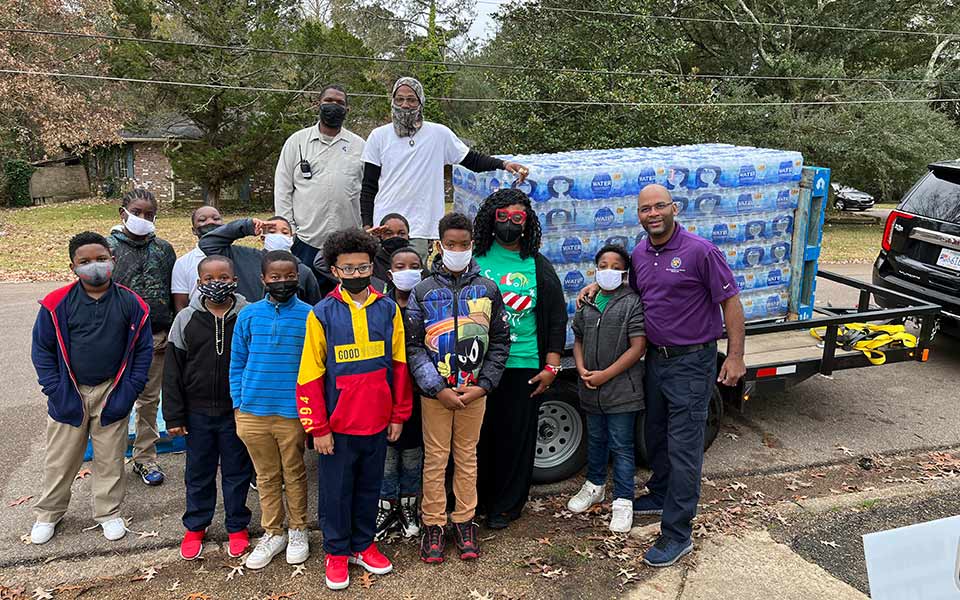
Jackson, Mississippi
In collaboration with our NWF Action Fund, our program developed and launched the #RevivingMiss Campaign 1.0 and 2.0 in partnership with more than 17 organizations, including a joint internship in collaboration with the African American Mayors Association and community leaders to uplift four agreed upon pillars (natural infrastructure, flooding, water, and environmental justice) through communications, education, community outreach, and civic engagement via direct lobbying.
-
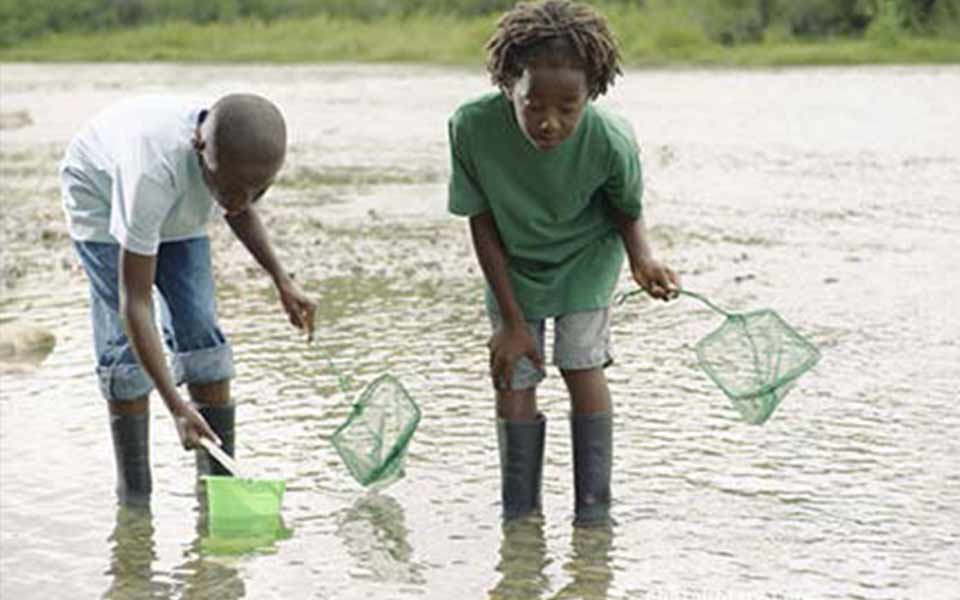
Southeast and Caribbean Environmental Justice Community of Practice
Locations: North Carolina, South Carolina, Georgia, Florida, Alabama, Mississippi, Puerto Rico, the U.S. Virgin Islands
In partnership with the National Oceanic and Atmospheric Administration (NOAA), our program launched a community of practice with regular convenings to bring together federal, state, NGO, academic, and community leaders across the Southeast and Caribbean to share resources and discuss best practices around how to more equitably serve vulnerable populations in the face of climate change.
-
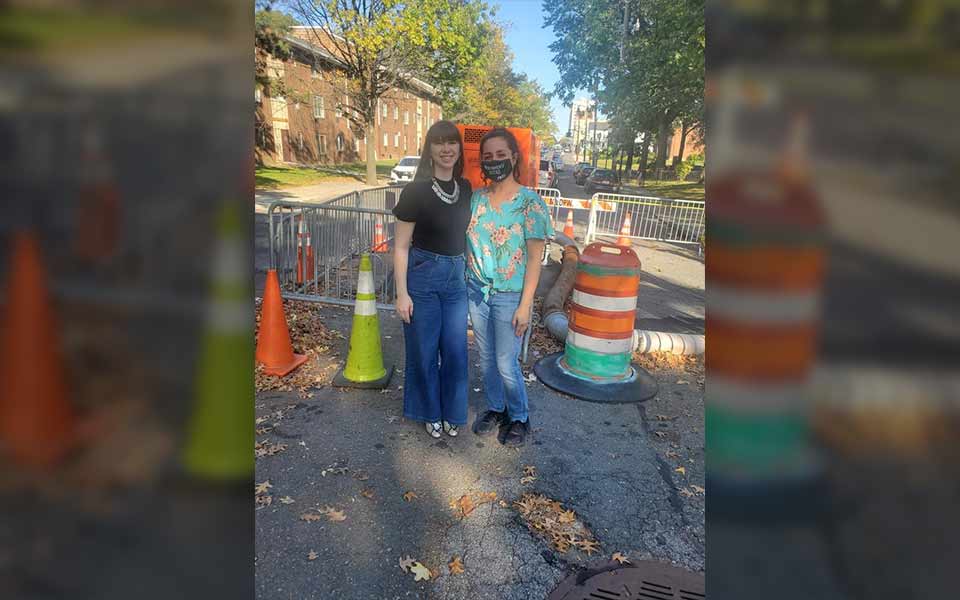
Mount Vernon, New York
Our program was quick to respond to requests from Mount Vernon city officials to connect and obtain support as the city faced crippling federal fines stemming from deteriorating water and sewage infrastructure. Our program connected city officials with key experts and partners, including Flint (MI) officials, to share best practices and to collectively create a campaign strategy. The city was featured in our 11 Examples to Build Back Better report.
-
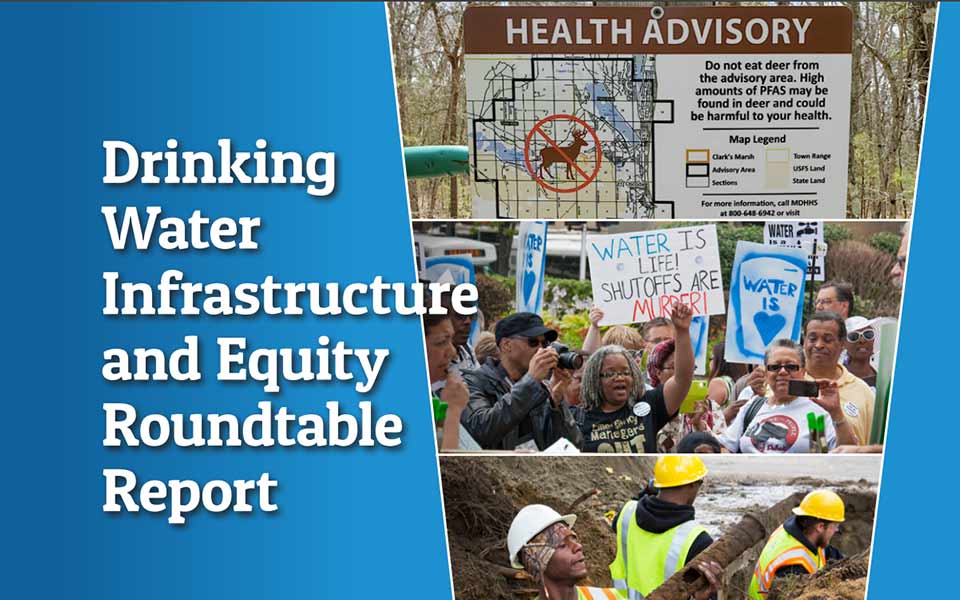
Water Equity and Affordability in the Great Lakes Region
Locations: Illinois, Indiana, Michigan, Minnesota, New York, Ohio, Pennsylvania, Wisconsin
In collaboration with the NWF Great Lakes Regional Center, our program helped shape and convene leaders across urban and rural landscapes across the Great Lakes Region to shape a shared vision and action plan to advance water equity and affordability through a series of roundtable discussions.
-
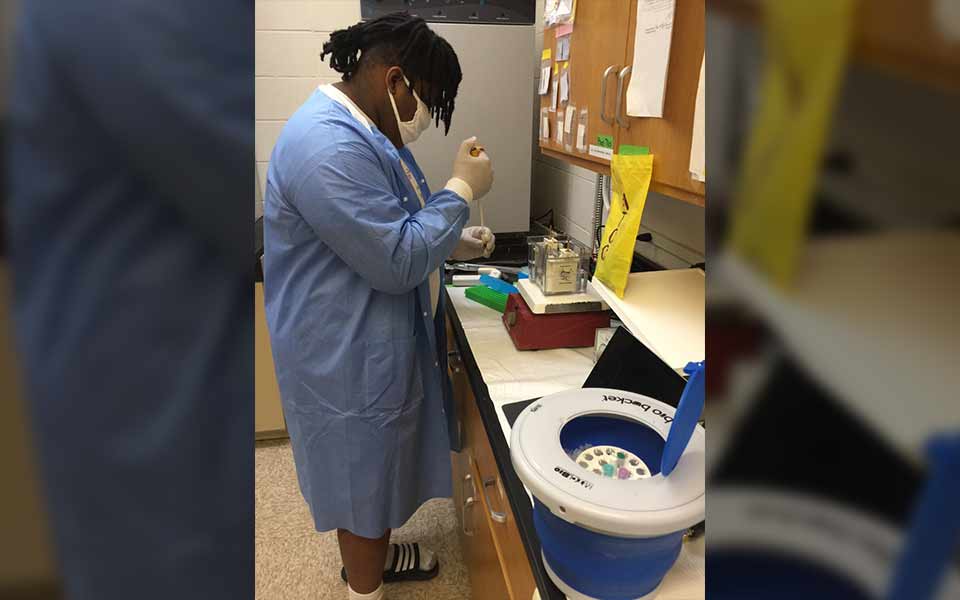
Historically Black Colleges and Universities (HBCU) and Bayou Classic: Battle of the Sciences
In collaboration with Grambling State University and Southern University and A&M College, our program engaged HBCU students on science-based projects to protect the Mississippi River Watershed through Battle of the Sciences. Our program also collaborated with NWF Women in Conservation Leadership to provide career and professional development training and resources to HBCU students, staff, and alumni through our HBCU Green Careers Roundtable.
-
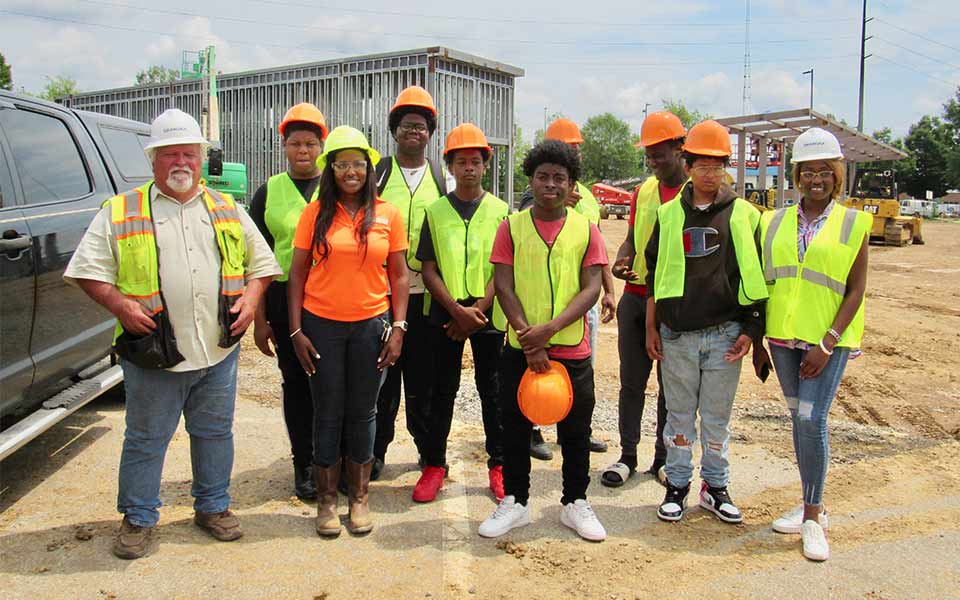
Birmingham, Alabama
With the support of the Kresge Foundation, our program co-developed a Green Summer Work Experience program with community leaders to address climate-induced flooding, water and sewage, infrastructure, and public health issues impacting city residents. Our program also sponsored events led by local community groups and created an internship opportunity in collaboration with the City of Birmingham.
-
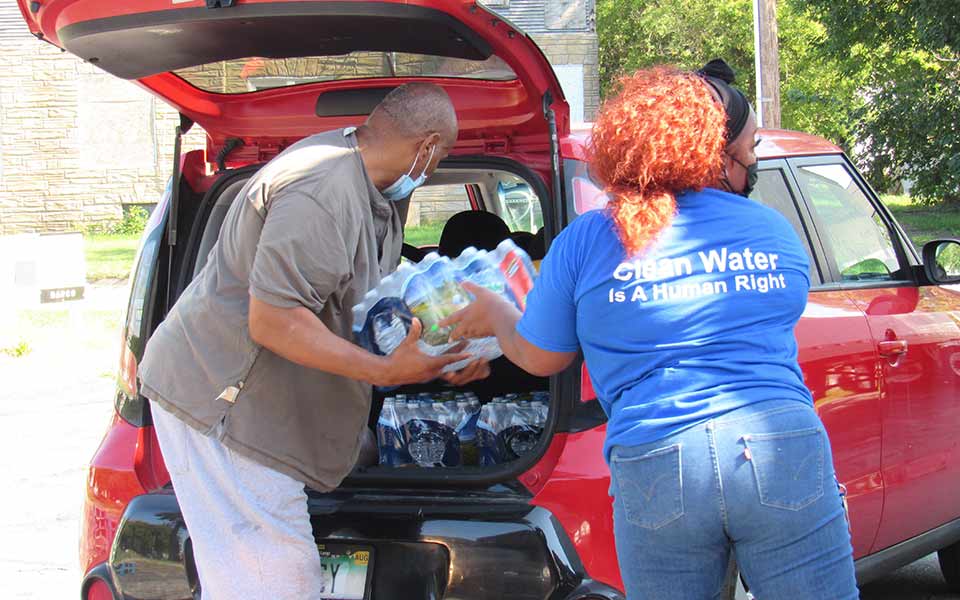
Benton Harbor, Michigan
Upon discovering dangerous elevated levels of lead in their drinking water, our program connected with community-based organizations to strategize on how to best lend our resources and support to address the Benton Harbor's water crisis, which included elevating the crisis via our media channels in the form of opinion pieces and reports.
COMMUNITY SPOTLIGHT
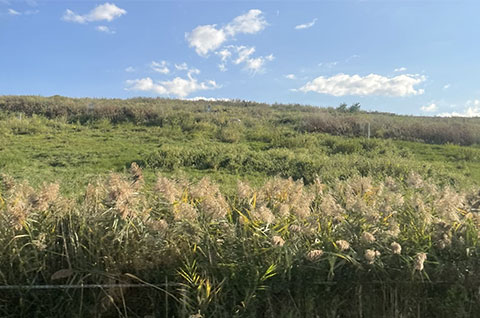
Altgeld Gardens
As part of his involvement with Chicago Asian-Americans for Environmental Justice, our team member attended a toxic tour of Altgeld Gardens in Chicago, hosted by People for Community Recovery.
Read More
FROM ADVOCACY TO EXPLORATION
Youth Advocates in the California Central Coast
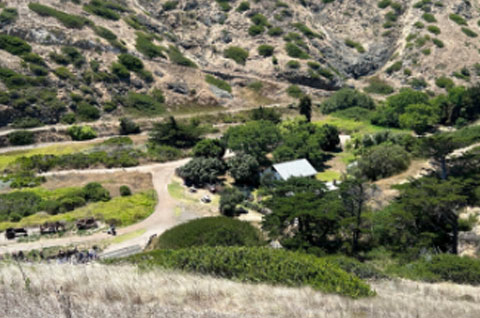
Team member Fabiola Gomez was invited to lead a hike for youth organizers involved with CAUSE, a central coast California environmental justice organization. Read her reflection on the importance of youth advocacy in environmental justice!
Read More


